All Categories
Featured
Table of Contents
Ranking for "near me" searches requires enhancing regional listings, unbranded keywords, reviews, and visual material throughout search, maps, social, and AI platforms to record high-intent regional traffic. "Near me" searches have actually changed how consumers find local businesses. According to the, 83% of consumers still utilize search engines like Google or Bing to discover local businessesbut 73% likewise discover them on social networks, and nearly 20% now turn to AI assistants such as ChatGPT or Gemini.
Over the previous years, searches consisting of "near me" have actually blown up. They peaked in July 2021 with an interest rating of 100 and stay high today, revealing that local intent is here to remain. Searches like "restaurants near me", "tasks near me", and "shops near me" continue to dominate. The 2025 CBI exposed an essential shift42% of customers now use unbranded, generic terms such as "coffee near me" instead of brand name names.
The graph listed below illustrates the "near me" search term in the United States over the previous 9 years. Smartphones remain the leading chauffeur of "near me" searches, however AI is rapidly signing up with the mix. Nearly one in 5 customers now use AI tools to discover recommendations, with Gen Z leading the pattern.
Consistency throughout these channels is what wins the click (and the see). Top Related "Near Me" Queries Google ranks regional outcomes based on three main elements: Relevance: How well your listing matches what users are looking for Proximity: Distance from the searcher's current location Prominence: How widely known and well-reviewed your organization is throughout the web The 2025 CBI discovered that precision, convenience, and client feedback are now the top 3 aspects influencing where customers select to check out.
How to Dominate Near Me Search Queries
Your Google Organization Profile (GBP) is your digital store. Businesses that rank in Google's regional 3-pack earn 126% more traffic and 93% more actions than those ranked below.
Enable features like mobile purchasing, bookings, or scheduling to convert searchers immediately. For multi-location brand names, local landing pages are important for constructing significance. Each page needs to consist of: City-specific keywords (e.g., "emergency situation oral care in Austin") SEO-friendly URLs and meta descriptions Customer evaluations and user-generated material Clear calls-to-action and mobile-first design stresses optimizing for unbranded keywords to catch the 63% of local searches that do not include brand names.
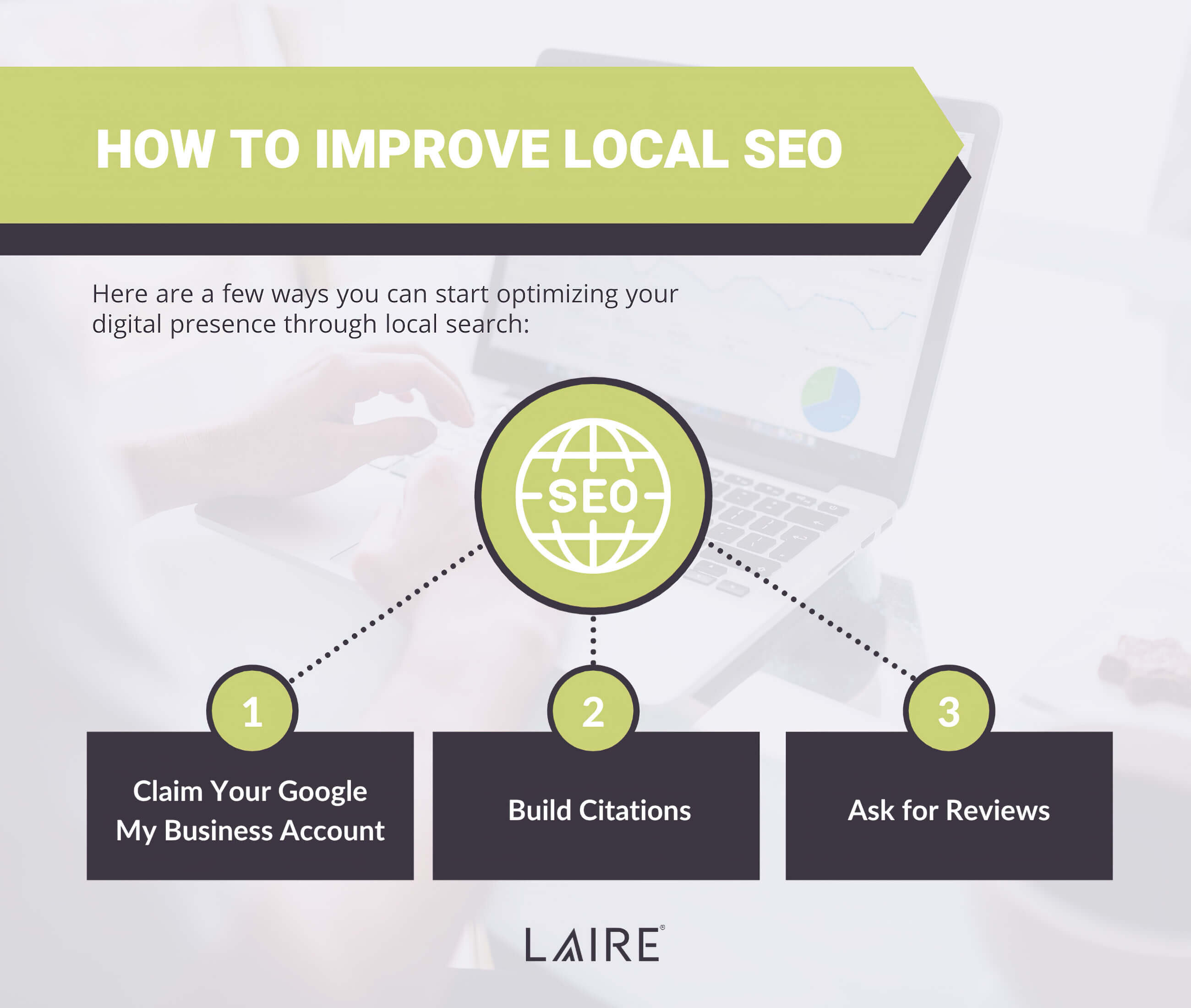
Pro pointer: Connect these location pages to associated blog material utilizing keyword-rich anchor text to strengthen your internal SEO structure. 91% of customers check out evaluations before going to a regional company, and 65% are most likely to select a business that responds. To build evidence that drives trust: Encourage satisfied customers to leave reviews.
How to Dominate Near Me Search Queries
Generative AI has actually altered how people search. Your content now needs to perform in both traditional search and AI-driven suggestions.
Usage schema markup for structured information like openingHours and priceRange. Rich, structured material helps your brand name appear when customers ask AI tools for the "finest [service] near me." The 2025 CBI found that consumers use approximately 3.6 platforms before choosing where to go. That makes local visibility across social, search, and AI platforms important.
Engage straight with consumers through comments and reviews. Tools like SOCi's Genius Browse and Genius Reviews use real-time data to assist multi-location brands: Optimize listings for accuracy and performance Improve response times to reviews Determine location-specific exposure spaces By automating insight collection and regional updates, you can remain ahead of competitors and adjust faster to shifts in customer behavior.
Ranking for "near me" searches now means showing up all over they look. Start with precise listings, build locally appropriate material, and embrace unbranded search.
Hyper-Local SEO Strategies for Higher ROI
Did you understand local and natural searches account for 69% of digital traffic? Regional searches are the greatest chauffeur of traffic.
This SEO subset is unique, as it equates digital research into physical foot traffic or direct calls to service providers. Any local business must include regional SEO "near me" as a pillar of their content method. When companies optimize for this, they can anticipate a considerable return on their investment.
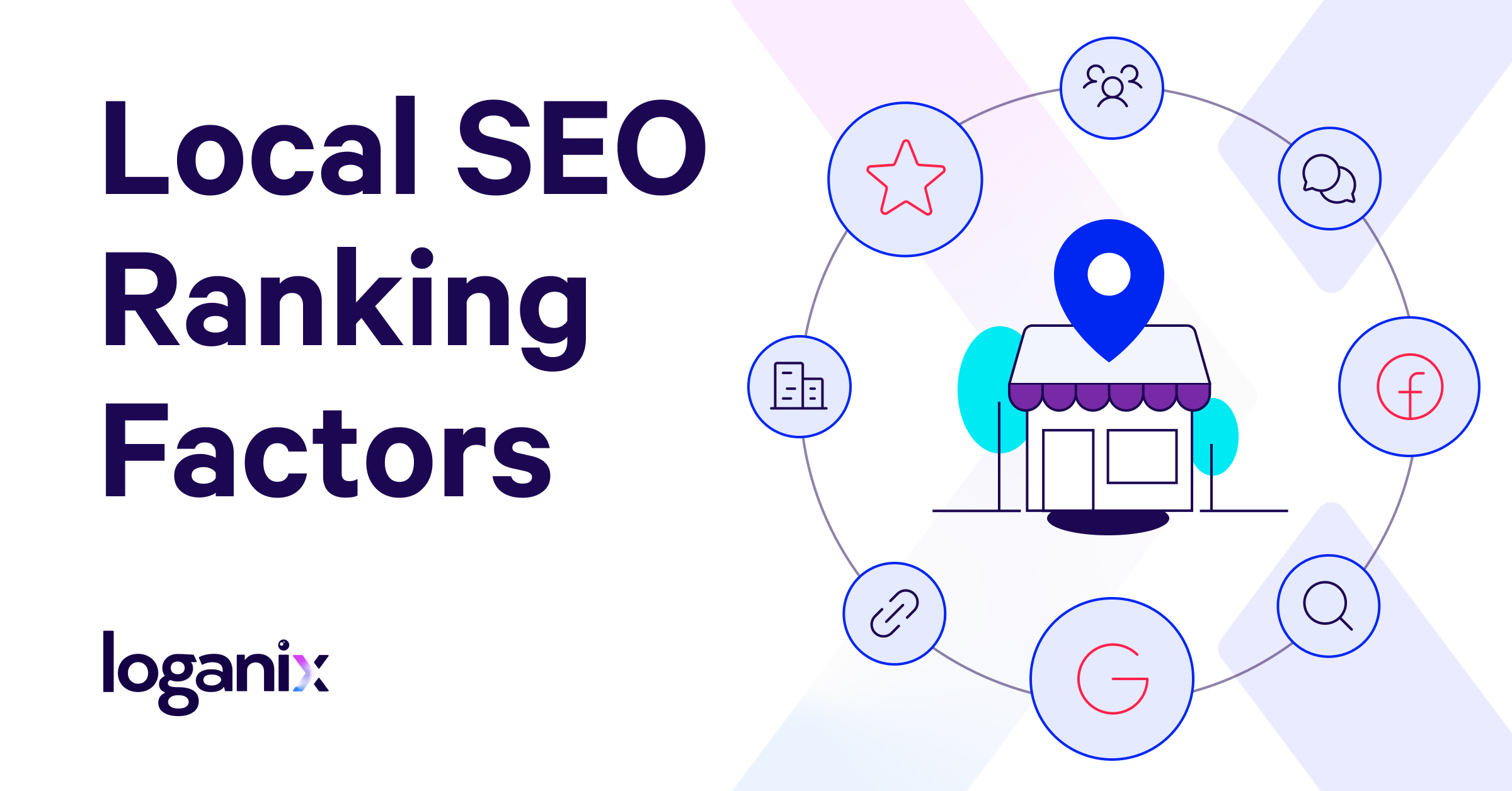
Capitalizing on this search trend requires a variety of optimization tactics. When carried out efficiently, local companies can enhance their presence in search rankings to get attention and clicks from audiences in their yard. What You Need to Know About "Near Me" Searches "Near me" SEO enables companies to get in front of individuals at the decision stage of the consumer journey.
Typically, you'll gain from local SEO "near me" optimization if you own any type of business with a brick-and-mortar place that customers will visit. A few examples include retail, restaurants, entertainment, hotels, spas, and field service companies like HVAC, plumbing professionals, or electrical contractors. These companies all target audiences that are nearby.
Effective Search Strategies for Local DiscoveryWill Your Local Presence Ready for 2026
They are typically very particular, symbolizing a micro-moment for buyers requiring your product and services. To rank for the words "near me" in your content, you'll target particular areas with everything from city-specific search terms to distinct organization details for each location. Simply about any local company can use these techniques: Home Solutions: Remodelers, plumbing professionals, electricians, landscapers, and more Automotive: Mechanics, car body stores, cars and truck dealers, and rental services.
Financial Services: Companies such as financial advisory business and banks. Retail Stores: Nearly any type of retail location, including grocery stores, electronics outlets, and clothes shops.
To enhance this, guarantee your company details is completed, detailed, and precise. Pertinent local keywords can also assist your Organization Profile rank much better. Range: This part considers how far the search result is from the place term in the inquiry. With "near me," users do not specify an area like a city or postal code.
Prominence: This describes how widely known a service is in the offline world. Google likewise uses details about a company in the digital landscape, from web links to articles to directories. Google will likewise figure in things like review counts and scores. Be sure to include your company's name, address, and contact number (NAP) all over the web to stay prominent, and encourage social networks shares amongst your audience.

Latest Posts
Conversational SEO Best Practices for Local Businesses
Streamlining Citation Directory Listings for Better Growth
The Complete Local Optimization Checklist in 2026